For homeowners who are not connected to a municipal sewer network, a septic system is one of the most important parts of the property. Although it operates quietly in the background, it plays a vital role in managing household wastewater safely and efficiently. Unfortunately, many homeowners pay little attention to their septic system until something goes wrong. By that stage, repairs can be costly, disruptive, and unpleasant.
The good news is that a properly maintained septic system can last for decades. Understanding how it works and following a simple maintenance routine can help you avoid unexpected expenses and keep your home running smoothly.
Understanding How a Septic System Works
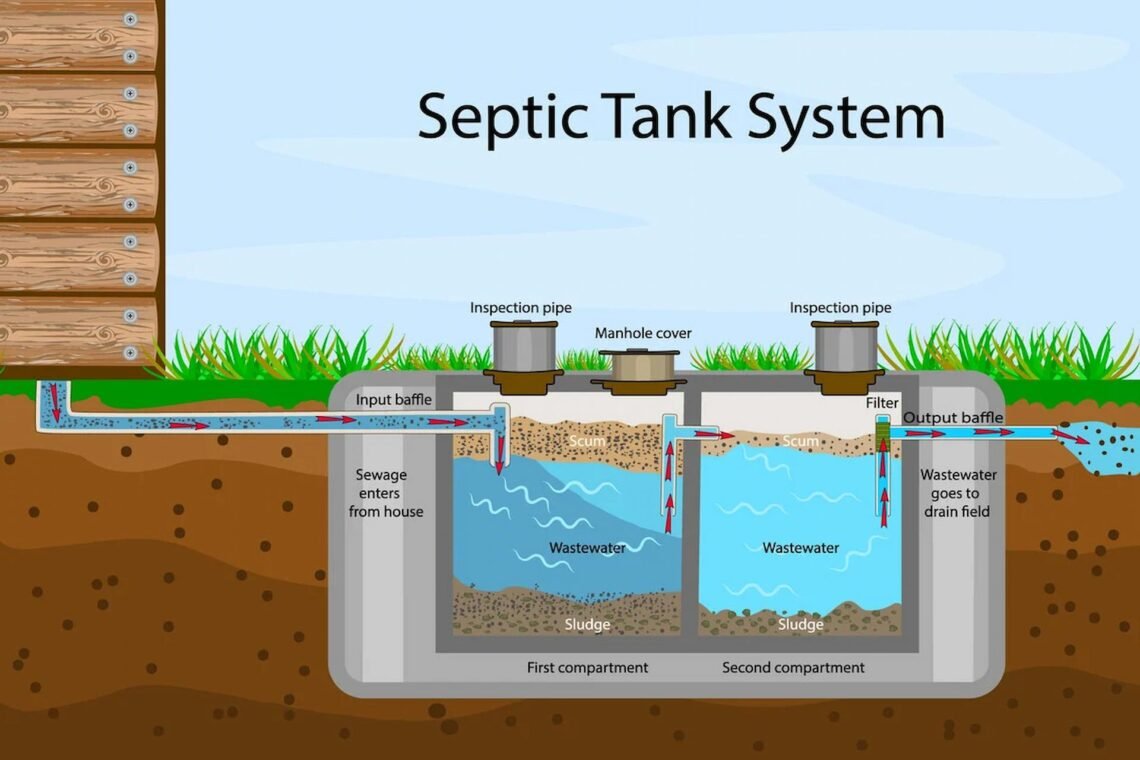
A septic system is designed to collect and treat wastewater from sinks, toilets, showers, washing machines, and other household drains. The system typically consists of a septic tank and a drain field.
When wastewater leaves the home, it flows into the septic tank. Inside the tank, solids settle at the bottom, forming sludge, while oils and grease rise to the top. The liquid wastewater remains in the middle and eventually flows into the drain field.
The drain field is a network of underground pipes that allows treated wastewater to filter naturally through the soil. During this process, harmful bacteria, viruses, and contaminants are reduced before the water returns to the environment.
One of the most important elements of the system is the natural bacterial ecosystem inside the tank. These beneficial bacteria help break down waste and keep the system functioning effectively.
Why Regular Maintenance Matters
Many septic failures occur because routine maintenance has been ignored. Over time, sludge and solid waste build up inside the tank. If the tank becomes too full, solids can enter the drain field and cause blockages.
A damaged drain field is one of the most expensive septic problems a homeowner can face. Preventive maintenance costs far less than major repairs or complete system replacement. Regular care also helps protect groundwater quality, reduces unpleasant odours, and extends the lifespan of the entire system.
How Often Should a Septic Tank Be Pumped?
There is no single schedule that works for every household. Pumping frequency depends on the size of the tank, the number of people living in the home, and overall water usage.
A small household may only require pumping every four to five years. Larger families often need more frequent service, typically every two to three years. The best approach is to follow the recommendations provided by a qualified septic professional after inspection. Keeping maintenance records can help track when pumping was last completed and prevent overdue servicing.
What Should Never Go Down the Drain?
One of the easiest ways to protect a septic system is to be careful about what enters it. Many products marketed as flushable do not break down properly inside septic tanks. Wet wipes, sanitary products, paper towels, cotton buds, and similar items can create blockages.
Kitchen drains should also be treated with care. Excessive grease, cooking oils, coffee grounds, and food scraps can contribute to system problems.
Harsh chemical cleaners, paints, solvents, and antibacterial products may disrupt the natural bacterial balance inside the tank. Homeowners looking for professional guidance on long-term system care can find useful information through
Supporting Healthy Bacteria
The bacteria inside a septic tank are essential for breaking down waste. Without a healthy bacterial population, solids accumulate more quickly, and system performance may decline.
Some homeowners choose to use enzyme-based septic treatments designed to support bacterial activity. While these products can be beneficial in certain situations, they should not replace regular pumping and inspections. The most effective way to maintain bacterial health is to avoid excessive chemical use and reduce unnecessary strain on the system.
Warning Signs of Septic Trouble
Septic systems rarely fail without providing warning signs first. Recognising these early indicators can prevent a small issue from becoming a major disaster.
Slow-draining sinks, showers, and toilets often signal developing problems. Persistent sewage odours around the property may indicate system stress. Unusually green or soggy patches in the yard near the drain field can also suggest that wastewater is not being processed properly.
Gurgling sounds from plumbing fixtures and recurring backups are additional signs that should never be ignored. When any of these symptoms appear, prompt professional assessment is recommended.
Protecting the Drain Field
The drain field is often the most vulnerable part of a septic system. Damage to this area can significantly reduce system effectiveness and lead to costly repairs.
Vehicles should never be driven or parked over the drain field because soil compaction can damage underground pipes. Trees and large shrubs should also be kept at a safe distance to prevent roots from invading the system.
Managing water runoff is equally important. Excess surface water can overload the drain field and reduce its ability to process wastewater efficiently.
What Happens During a Professional Inspection?
A professional septic inspection provides valuable insight into system condition and performance.
Inspectors typically examine the tank, measure sludge levels, check baffles and filters, and assess overall functionality. They may also evaluate the drain field for signs of saturation or failure.
Routine inspections help identify potential issues before they become major problems, saving homeowners significant money in the long term.
Frequently Asked Questions
How long does a septic system usually last?
A well-maintained septic system can often last between 20 and 40 years. Lifespan depends on maintenance practices, household usage, soil conditions, and the quality of the original installation.
Can heavy rain affect a septic system?
Yes. Excessive rainfall can saturate the soil around the drain field, reducing its ability to absorb and treat wastewater. This may temporarily slow system performance.
Are septic additives necessary?
Not always. Many systems function perfectly well without additives. However, certain enzyme-based treatments may support bacterial activity when used appropriately and according to professional recommendations.
What is the most common cause of septic failure?
Lack of maintenance is one of the leading causes of septic system failure. Skipping routine pumping and allowing solids to enter the drain field can create serious problems.
How expensive is septic system replacement?
Replacement costs vary significantly depending on location, system size, and site conditions. In most cases, replacement is substantially more expensive than routine maintenance and repairs.
Should a home with a septic system be inspected before purchase?
Absolutely. A septic inspection can reveal hidden issues that may not be visible during a standard property inspection, helping buyers avoid unexpected expenses.
Conclusion
A septic system may be out of sight, but it should never be out of mind. Regular pumping, sensible household habits, routine inspections, and proper drain field protection can dramatically reduce the risk of failure. The cost of preventive maintenance is small compared to the expense and disruption of major repairs or full system replacement.
By understanding how your septic system works and addressing potential problems early, you can protect your property, avoid costly emergencies, and ensure reliable performance for many years to come. A little attention today can prevent a very expensive disaster tomorrow.