Every homeowner eventually faces the same question: should you repair a damaged feature or replace it entirely? The answer is not always straightforward. While repairs often save money in the short term, replacement can be the smarter investment when something has reached the end of its useful life.
Making the right decision requires looking beyond the immediate cost. You also need to consider safety, energy efficiency, future maintenance, property value, and how long the existing feature is likely to last.
This guide explains how to evaluate common home improvement projects so you can make informed, cost-effective decisions that benefit your home now and in the years ahead.
Why the Repair-or-Replace Decision Matters
Choosing the right option can have a significant impact on your budget and your home’s long-term performance.
A well-timed repair can extend the life of a roof, appliance, window, or flooring for several years. On the other hand, repeatedly fixing something that’s already failing often leads to higher costs over time.
Before spending money, ask yourself:
- Is the problem cosmetic or structural?
- How old is the item?
- How much will repairs cost?
- Will repairs solve the issue permanently?
- Could replacement improve energy efficiency or safety?
Looking at the bigger picture often leads to the best decision.
Start by Assessing the Overall Condition
Not every crack, dent, or leak means replacement is necessary.
Begin with a careful inspection. Look for signs that damage is limited to one area rather than affecting the entire system.
Minor issues usually include:
- Small drywall holes
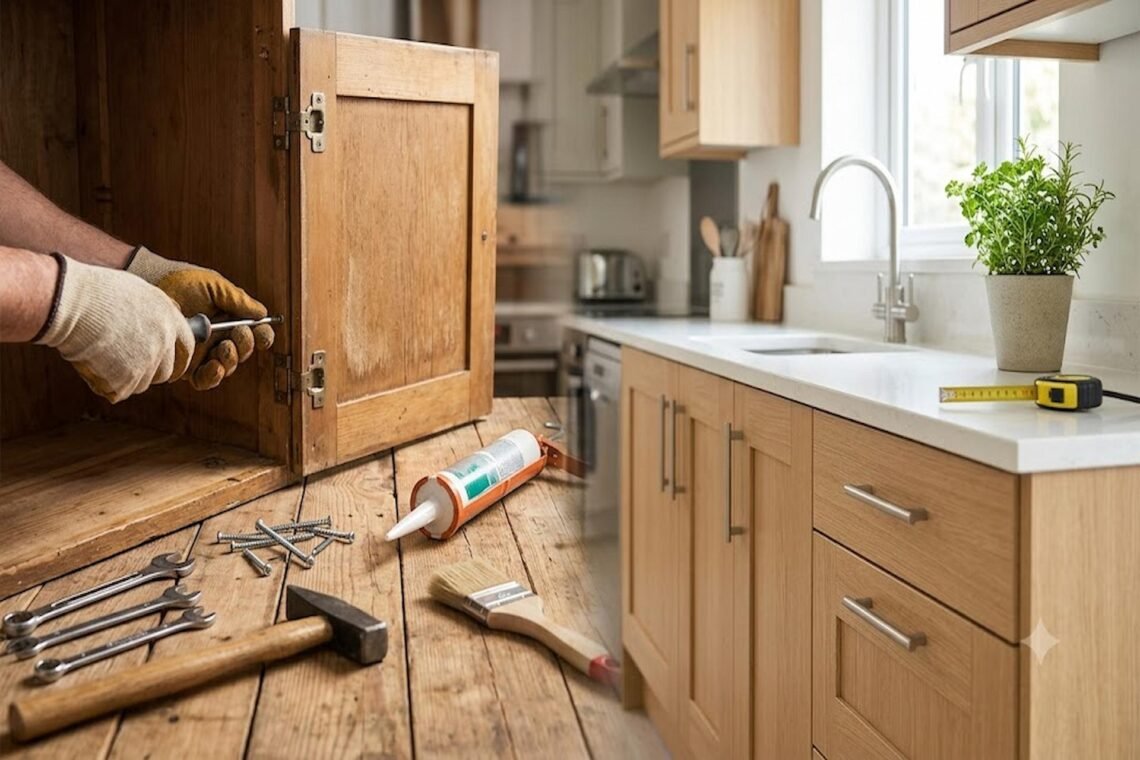
- Loose cabinet hinges
- Missing roof shingles
- Peeling paint
- Loose tiles
- Minor plumbing leaks
These problems are typically inexpensive to repair and can restore both appearance and function.
However, widespread deterioration is a different story. If multiple components are failing, replacement often becomes the more practical option.
Compare Repair Costs to Replacement Costs
One of the easiest ways to evaluate your options is by comparing the cost of repairs with the cost of replacement.
A commonly used guideline is the 50% rule.
If repairs cost more than half the price of replacing the item, replacement is often the better investment—especially if the item is already approaching the end of its lifespan.
For example:
| Item | Repair Makes Sense | Replacement Makes Sense |
| Roof | Small leak or missing shingles | Extensive water damage or widespread wear |
| Windows | Replace weatherstripping or hardware | Rotten frames or broken seals throughout |
| Flooring | Repair isolated damage | Large sections are warped or worn |
| Cabinets | New doors or hardware | Water damage and failing structure |
| HVAC System | Minor component replacement | Frequent breakdowns and high energy bills |
Always compare both the immediate expense and future maintenance costs.
Consider the Expected Lifespan
Age plays a major role in repair decisions.
Even a successful repair may only buy a short amount of time if the product is already nearing the end of its expected life.
Typical lifespans include:
- Asphalt roof: 20–30 years
- Water heater: 8–12 years
- Furnace: 15–20 years
- Windows: 20–30 years
- Exterior siding: 20–50 years depending on material
- Deck: 15–30 years with proper maintenance
If your item has already provided decades of service, investing in replacement often delivers greater long-term value.
Evaluate Safety Risks
Safety should always come before cost savings.
Never postpone replacement if damage creates hazards for your family or visitors.
Examples include:
- Electrical wiring with fire risks
- Structural cracks in foundations
- Rotting deck supports
- Broken stair railings
- Mold caused by water intrusion
- Severe roof damage after storms
These situations require immediate professional evaluation.
A repair that only hides the symptoms without fixing the underlying problem can become dangerous.
Think About Energy Efficiency
Older building materials and equipment often consume more energy than modern alternatives.
Replacing outdated systems may reduce monthly utility bills while improving comfort.
Common upgrades include:
- Energy-efficient windows
- Better insulation
- Modern HVAC equipment
- High-efficiency water heaters
- LED lighting
- Energy-saving exterior doors
Although replacement costs more initially, lower operating expenses can offset part of the investment over time.
Consider Future Maintenance
Some older features require constant repairs.
If you find yourself fixing the same problem every year, replacement may actually save money.
Ask yourself:
- Have I repaired this before?
- Is maintenance becoming more frequent?
- Are replacement parts becoming difficult to find?
- Am I spending more every year?
Recurring repair bills often indicate that replacement is becoming unavoidable.
How Replacement Can Increase Property Value
Not every repair improves resale value equally.
Replacing outdated or heavily worn features often makes a stronger impression on buyers.
Projects that commonly improve property value include:
- New roofing
- Updated kitchens
- Modern bathrooms
- Energy-efficient windows
- New flooring
- Exterior siding
- Garage doors
- Entry doors
These improvements also increase buyer confidence because major systems appear well maintained.
Repair vs Replace: Common Home Improvement Decisions
Roofing
Repair if:
- Only a few shingles are damaged.
- Flashing needs replacement.
- The roof is relatively new.
Replace if:
- Multiple leaks exist.
- Shingles are curling throughout.
- Water damage affects roof decking.
- The roof is near the end of its lifespan.
Windows
Repair if:
- Locks or hardware fail.
- Minor drafts occur.
- Caulking has deteriorated.
Replace if:
- Frames are rotting.
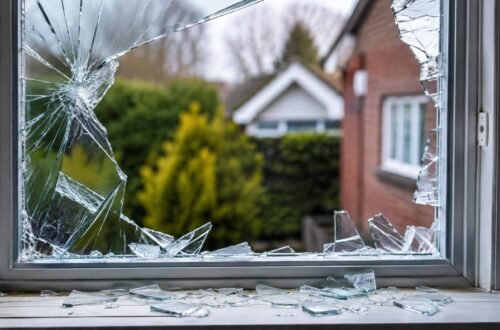
- Glass seals have failed.
- Windows remain inefficient despite repairs.
Flooring
Repair if:
- A few boards or tiles are damaged.
- Small scratches need refinishing.
Replace if:
- Moisture has caused widespread warping.
- Flooring is separating across large areas.
- Multiple repairs would create an uneven appearance.
Cabinets
Repair if:
- Hinges loosen.
- Drawers stick.
- Hardware is outdated.
Replace if:
- Cabinet boxes are water damaged.
- Shelves sag badly.
- Structural integrity has failed.
Heating and Cooling Systems
Repair if:
- Maintenance has been consistent.
- Problems involve individual components.
Replace if:
- Repairs become frequent.
- Energy bills continue rising.
- Equipment exceeds its expected lifespan.
Questions to Ask Before Making a Decision
Before committing to any project, ask:
- What caused the damage?
- Will repairs address the root problem?
- How many years of service remain?
- Could replacement improve efficiency?
- How much maintenance will be required later?
- Does replacement increase resale value?
- Is safety affected?
- What would a professional inspection recommend?
These questions help remove emotion from the decision and focus on long-term value.
When Professional Advice Is Worth It
Some issues are easy to evaluate yourself, while others benefit from expert guidance.
Consider scheduling a professional inspection when dealing with:
- Foundation movement
- Roof damage
- Electrical systems
- Plumbing behind walls
- HVAC equipment
- Structural framing
- Water damage
An experienced contractor can often identify hidden problems before they become expensive surprises.
Tips for Making Smart Home Improvement Decisions
- Don’t base decisions on price alone.
- Consider the total cost over the next 10–20 years.
- Prioritize safety over appearance.
- Invest in quality materials when replacing major features.
- Keep maintenance records for future reference.
- Compare multiple repair estimates.
- Think about future energy savings.
- Balance today’s budget with tomorrow’s expenses.
Frequently Asked Questions
How do I know when replacement is the better choice?
If repair costs exceed about half the replacement cost, the item is nearing the end of its lifespan, or safety is compromised, replacement is often the smarter option.
Does replacing old windows really save money?
Yes. Modern energy-efficient windows can reduce heating and cooling costs while improving indoor comfort and reducing drafts.
Should I repair or replace my roof after a leak?
A single leak may only require repairs. However, multiple leaks, extensive storm damage, or an aging roof often justify replacement.
Conclusion
Deciding whether to repair or replace part of your home isn’t just about today’s costs—it’s about making an investment that serves you well for years to come. By evaluating the age, condition, repair costs, safety concerns, energy efficiency, and long-term value of each feature, you can make confident decisions that protect both your budget and your property. In many cases, a simple repair is all that’s needed. In others, replacing an aging system or damaged feature prevents recurring expenses and improves comfort, efficiency, and resale value. Taking the time to assess each situation carefully ensures every home improvement dollar is spent wisely.