Home is supposed to be the place where you feel safest, so unexpected damage can be deeply unsettling. Whether a fire, severe storm, burst pipe, or other disaster has affected your property, the disruption goes beyond damaged walls and belongings. Understanding the impact of home damage can help you recognize why the experience feels overwhelming and make it easier to approach recovery one step at a time.
The first priority is safety. Once immediate hazards are addressed, homeowners can focus on documenting the damage, protecting what remains, arranging professional assessments, and gradually restoring a sense of normalcy.
Put Safety Before Everything Else
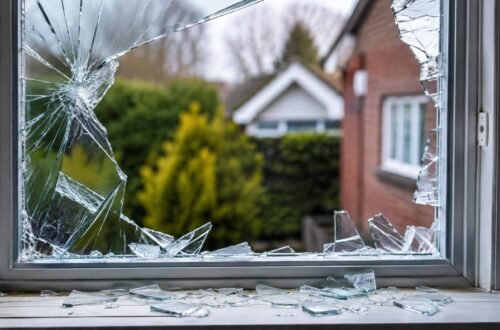
After significant home damage, avoid rushing back into the property simply because you want to see what happened. Structural instability, exposed electrical wiring, contaminated water, smoke residue, broken glass, and other hazards may not be obvious.
Follow instructions from emergency personnel, utility providers, insurers, or qualified restoration professionals. If authorities have declared an area unsafe, wait until they provide clearance before entering.
If you can safely access the property, take basic precautions such as wearing appropriate protective equipment and keeping children and pets away from damaged areas. Safety should remain the priority throughout the restoration process, not just during the first few hours.
Document the Damage Carefully
Once it is safe to do so, document the condition of your home before cleaning, discarding, or repairing anything. Photographs and videos can provide a useful record for insurance claims and restoration planning.
Capture wide shots that show affected rooms as well as close-ups of individual items and areas of damage. Keep copies of receipts, estimates, temporary housing expenses, and other relevant documentation.
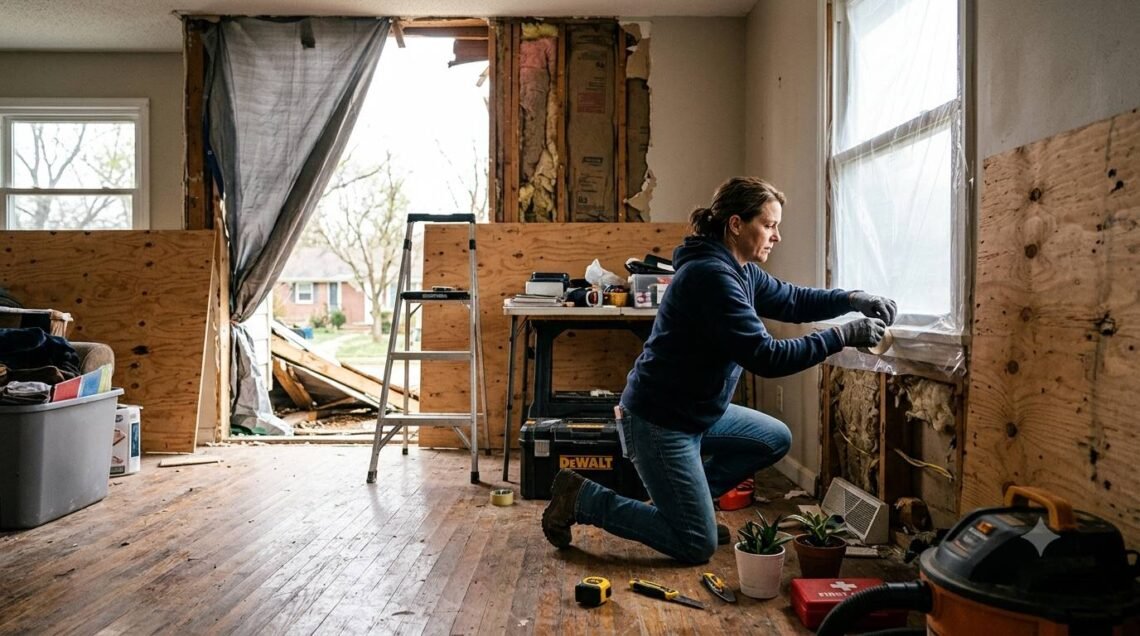
Try to avoid making major repairs before speaking with your insurance company unless immediate action is necessary to prevent further damage. Temporary measures, such as covering a broken window or stopping an active leak, may be appropriate, but keep records of what you did and why.
Give Yourself Time to Process What Happened
A damaged home can change your daily routine almost instantly. You may have to leave familiar surroundings, worry about possessions, deal with financial uncertainty, or wonder when life will return to normal.
These reactions can make practical decisions feel harder than usual. Stress may also affect concentration, sleep, and patience. Recognizing these responses as part of a difficult experience can make it easier to slow down and ask for help rather than trying to manage everything alone.
Support can come from family, friends, neighbors, community organizations, or a qualified mental health professional. You do not need to wait until you feel completely overwhelmed before reaching out.
Create a Clear Restoration Plan
Home restoration becomes more manageable when you break it into stages. Instead of trying to solve every problem immediately, identify what needs attention first and what can wait.
A practical starting point is:
- Confirm that the property is safe to enter.
- Notify your insurance company and understand the claim process.
- Photograph and document affected areas and belongings.
- Take reasonable steps to prevent additional damage.
- Arrange an assessment with qualified restoration professionals.
- Identify temporary housing or essential household needs.
- Keep records of expenses, communications, and repair estimates.
- Review progress regularly and update your plan as conditions change.
This approach creates a sense of structure during a situation that may otherwise feel chaotic.
Protect the Parts of Home That Still Feel Familiar
Restoration is not only about replacing damaged materials. Familiar objects, routines, and spaces can provide an important sense of continuity.
If certain belongings can be safely cleaned or preserved, set them aside rather than automatically throwing them away. Items such as photographs, documents, furniture, and personal keepsakes may have sentimental value that cannot be measured by their replacement cost.
At the same time, avoid putting yourself at risk to save possessions. Professional restoration specialists can sometimes determine whether smoke-, water-, or other damage can be treated safely.
Avoid Making Decisions Under Pressure
A disaster creates a natural urge to get everything fixed immediately. That urgency can sometimes lead homeowners to make decisions without fully understanding their options.
Before signing contracts or approving extensive work, ask questions about the proposed scope, materials, timeline, costs, and responsibilities. Make sure you understand what your insurance policy covers and which expenses may fall outside your coverage.
Be especially cautious about unsolicited contractors who appear immediately after a disaster. Verify credentials, obtain written estimates, and avoid paying large amounts upfront without understanding the agreement.
Restore Routines as Soon as Practical
A familiar routine can provide stability while larger repairs are underway. Something as simple as maintaining regular meal times, work schedules, exercise, or family activities can create predictable moments during an uncertain period.
If you are temporarily staying somewhere else, recreate small elements of your normal routine where possible. Keeping important daily habits intact can make the transition feel less disruptive.
For families with children, simple and age-appropriate explanations can also help. Children may respond to changes in their environment differently from adults, so giving them opportunities to ask questions and express concerns can be useful.
Know When Additional Support Is Needed
It is normal to experience stress after a major home-loss event, but persistent or worsening distress deserves attention. If feelings of fear, sadness, anger, guilt, or anxiety are interfering substantially with daily life, consider talking with a mental health professional.
There is no single timetable for feeling comfortable at home again. Physical restoration may happen faster than emotional recovery, and that’s okay. Progress can involve both repairing the property and rebuilding your confidence in the space.
Rebuilding Security Takes More Than Repairs
Home damage can disrupt much more than a building’s physical condition. It can affect routines, finances, relationships, memories, and the basic feeling that your surroundings are predictable and safe.
The most effective response combines practical action with patience. Prioritize safety, document what happened, seek qualified help, protect what can be preserved, and give yourself room to recover emotionally. Restoring a home is a process, and restoring your sense of security is part of that process too.
Conclusion
Recovering from home damage involves much more than repairing floors, walls, roofs, or personal belongings. Property damage can disrupt daily routines and affect the emotional connection people have with the place they consider home. By prioritizing safety, documenting damage, communicating with insurance providers, protecting salvageable possessions, and choosing qualified restoration professionals, homeowners can approach the recovery process with greater clarity and control.
It is equally important to recognize the emotional impact of losing a familiar and secure environment. Stress, uncertainty, and frustration can take time to ease, and seeking support when needed is a practical part of recovery. Ultimately, successful home restoration means rebuilding both the physical property and the sense of comfort, stability, and security that makes a house feel like home.