Broken glass can leave your home or business vulnerable and your insurance claim hanging in the balance. Learn exactly what evidence insurers need, realistic timescales for settlement, and how prompt emergency glazing protects both your property and your chances of a smooth payout.
A smashed window or damaged shop front creates more than an eyesore. It raises immediate security risks and starts a clock on your insurance claim. Insurers expect policyholders to act quickly to limit further loss, gather clear proof of the damage, and use professional repairs. Understanding these expectations from the outset makes the process far less stressful. Prompt emergency glazing not only secures the property but also generates the kind of documented, professional response that claims teams look for when assessing validity and cost.
Gathering the Right Evidence from the Start
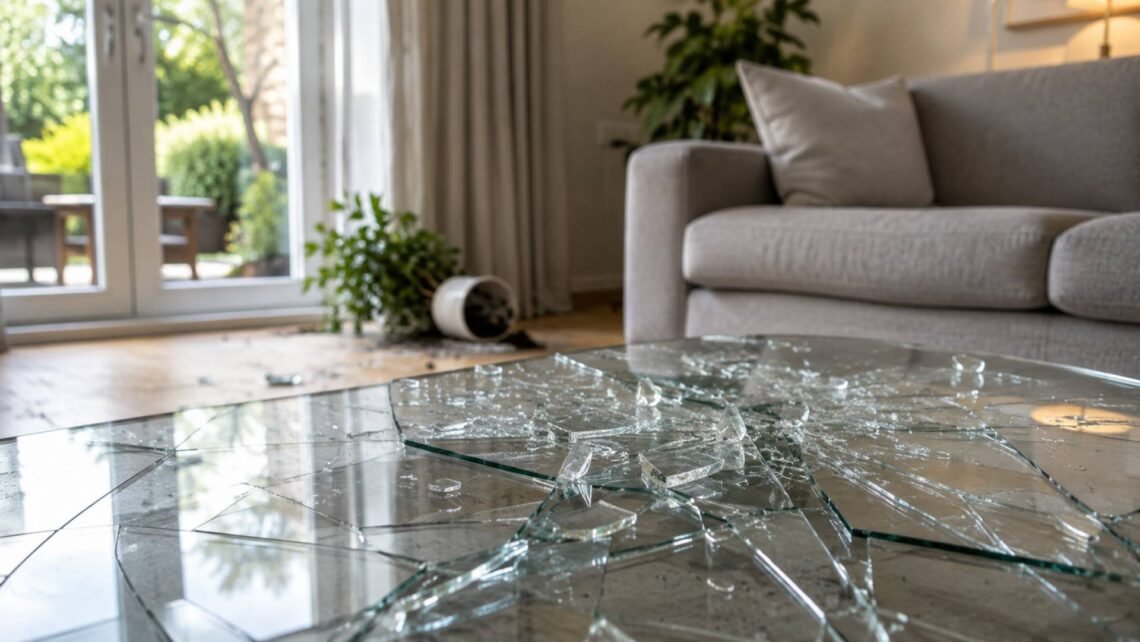
Insurers base decisions on facts they can verify. Clear photographs taken before any temporary measures are put in place form the foundation of a strong claim. Capture the full extent of the breakage from several angles, include close-ups of the damaged glass and frame, and note any surrounding damage such as bent locks or forced entry points.
If the breakage resulted from a crime, report it to the police and obtain a crime reference number. Keep a simple written record of the date, time and circumstances. Save all correspondence with your insurer and any quotes or invoices from glaziers. These documents show you took reasonable steps to protect the property and control costs.
Why Immediate Action Matters to Insurers
Most policies require you to mitigate further damage. Leaving a property open to weather, theft or vandalism can lead to reduced payouts or disputes. Temporary boarding or professional boarding-up services demonstrate that you acted responsibly. Once the site is secure, permanent glass replacement can follow without unnecessary delay.
Insurers also want to see that repairs are carried out by competent tradespeople. Using qualified emergency glazing specialists who provide detailed invoices and guarantees helps the claims handler approve costs more readily and reduces the risk of queries about workmanship or pricing.
Typical Timescales You Can Expect
The speed of a claim depends on how complete your evidence is and how quickly you notify the insurer. Most companies expect initial contact within 24 to 48 hours of discovering the damage. After that, assessment and approval can take anywhere from a few days to several weeks, depending on the complexity and the insurer’s workload.
Simple, well-documented cases involving clear photographs, a crime reference number where relevant, and a straightforward repair quote often progress fastest. Larger commercial claims or those involving multiple panels may take longer while loss adjusters review the details. Keeping communication clear and responding promptly to any requests for extra information shortens the overall timeline.
What Insurers Look for in Repair Documentation
Claims teams examine three main areas: the cause of the damage, the necessity of the work, and the reasonableness of the cost. A professional glazier’s report or invoice that lists the exact glass type, measurements, labour and materials gives them the clarity they need. Guarantees on the new glass also reassure them that the repair meets acceptable standards.
Avoid making permanent repairs before the insurer has been notified unless the situation is an emergency that demands immediate securing. Temporary measures such as boarding are almost always acceptable and expected. Once approval is given, permanent replacement can proceed and the final invoice submitted for reimbursement according to your policy excess and cover limits.
Common Pitfalls That Can Delay or Reduce Your Claim
Several avoidable mistakes slow claims down or reduce the amount paid. Failing to take photographs before boarding or clearing debris removes vital visual evidence. Delaying notification beyond the policy’s required window can lead to disputes over secondary damage. Using unregistered or cash-only tradespeople often results in invoices that insurers refuse to accept. Incomplete paperwork, missing crime references or vague descriptions of how the glass was broken also create unnecessary back-and-forth. Addressing these points early keeps the claim moving smoothly.
How Professional Emergency Glazing Supports a Stronger Claim
Qualified emergency glazing teams provide more than a quick fix. They arrive promptly, secure the opening to prevent further loss, and supply clear, itemised documentation that matches what insurers require. Their invoices typically include precise measurements, glass specifications and labour details, reducing the chance of queries. Many also offer guarantees that demonstrate the repair meets accepted standards. By choosing professional emergency glazing, you show the insurer that you acted responsibly and used competent contractors, which strengthens both the speed and the outcome of the claim.
Practical Steps to Strengthen Your Claim
- Photograph everything early
Take clear, dated images before any temporary boards or covers are fitted. - Notify your insurer without delay
Most policies require prompt reporting. A short phone call or online form starts the process. - Secure the property professionally
Arrange emergency glazing or boarding so the building is safe and weather-tight. - Keep every piece of paperwork
Store police references, quotes, invoices and emails in one place. - Follow the insurer’s instructions
If they request a specific process or preferred supplier list, stick to it where possible.
Protecting Your Property and Your Claim
Broken glass creates both a practical problem and an administrative one. The practical side is solved by rapid, professional securing of the opening. The administrative side is solved by thorough evidence, timely notification and clear documentation. When these elements work together, insurers have little reason to delay or dispute the claim.
Emergency glazing plays a central role in this process. It restores security, limits secondary damage and produces the professional records claims teams rely on. By acting promptly, photographing carefully and using competent glaziers, you protect both your property and your entitlement under the policy. The result is a smoother claim, a safer building and the peace of mind that comes from knowing you met every reasonable expectation.