Introduction
Have you ever noticed a cloudy film on your glassware or a dry feeling on your skin after showering? These are signs that you may have hard water in your home. Hard water, which contains high levels of calcium and magnesium, can be a hassle for both your appliances and your health. Installing a water softener is a simple yet highly effective solution to this problem. In this article, we’ll explore how a water softener works and the many ways it can improve your home’s water quality.
Understanding Hard Water and Its Impact
Hard water is a common issue for homeowners. It occurs when water comes into contact with rocks and minerals like limestone or gypsum, causing high levels of calcium and magnesium to dissolve into it. This type of water can create several challenges:
- Appliance damage: Hard water leaves mineral deposits in appliances like dishwashers, water heaters, and washing machines. Over time, these minerals can reduce efficiency and shorten the lifespan of your appliances.
- Clogged pipes: Mineral buildup in pipes can lead to reduced water flow, making your plumbing less efficient and more prone to blockages.
- Skin irritation: Hard water can cause skin dryness and irritation. It strips the skin of natural oils, leading to conditions like eczema or itchy skin.
What is a Water Softener and How Does It Work?
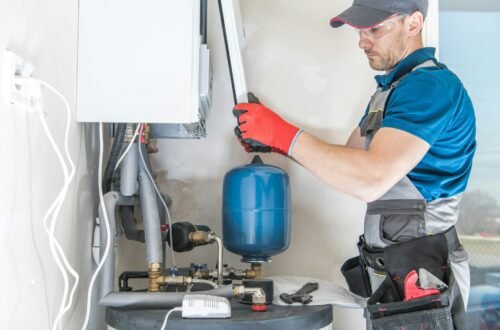
A water softener is a device designed to remove the minerals that cause water hardness. It works by using a process called ion exchange, which swaps out the hard minerals (calcium and magnesium) for softer ones like sodium or potassium.
There are several types of water softeners available:
- Salt-based softeners: These are the most common and effective, using sodium to replace calcium and magnesium.
- Salt-free softeners: These are ideal for areas with slightly hard water and work by preventing mineral buildup rather than removing the minerals.
- Reverse osmosis systems: These remove nearly all impurities, including minerals, providing the softest water.
Benefits of Installing a Water Softener
Installing a water softener brings numerous advantages for homeowners. Here are some key benefits:
- Appliance protection: Soft water helps prevent the buildup of mineral deposits, extending the life of your appliances and improving their efficiency.
- Cleaner dishes: Soft water results in spotless dishes and glassware, free from the cloudy film that hard water often leaves behind.
- Softer skin and hair: With no minerals to dry out your skin, soft water can leave your skin feeling moisturized and your hair softer.
- Reduced soap usage: Soft water helps soap lather better, so you’ll use less soap for cleaning, shaving, and washing.
Why You Should Consider a Water Softener Service in Wentzville, MO
If you live in Wentzville, MO, you may be dealing with hard water without even realizing it. The water quality in this area can vary, and if you’re facing issues like soap scum, mineral buildup, or appliance inefficiency, it may be time to consider a water softener service in Wentzville, MO. A professional water softener service can assess your water quality, recommend the right system for your home, and provide expert installation and maintenance.
How to Choose the Right Water Softener for Your Home
Selecting the right water softener for your home involves considering a few important factors:
- Household size: The size of your family and the amount of water you use daily will determine the capacity of the water softener you need.
- Water hardness level: If you don’t know your water’s hardness level, you can have it tested. A higher hardness level requires a more powerful water softener.
- Budget: Water softeners range in price depending on features and capacity. Make sure to choose a model that fits your budget while still offering the necessary functionality.
The Long-Term Savings of a Water Softener
Although installing a water softener requires an upfront investment, it can save you money in the long run. Here’s how:
- Lower energy bills: Soft water helps appliances run more efficiently, meaning they use less energy. This can result in noticeable savings on your utility bills.
- Fewer repairs: By preventing mineral buildup, a water softener reduces the need for costly repairs to your appliances and plumbing.
- Longer appliance lifespan: Your appliances will last longer, which means you won’t need to replace them as frequently.
Conclusion
Water softeners offer a simple solution to the common problems caused by hard water. Not only do they protect your appliances and plumbing, but they also improve the quality of your water, resulting in softer skin and cleaner dishes. If you’re in Wentzville, MO, consider contacting a water softener service in Wentzville, MO to enhance your home’s water quality and enjoy the many benefits of soft water.